
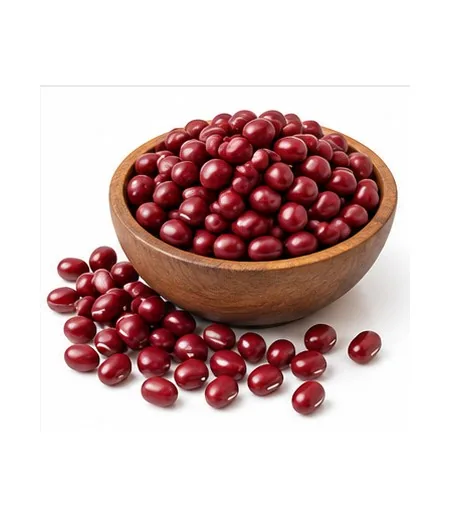
Adzuki Bean
Adzuki Bean (팥, 赤小豆) is recorded in the Donguibogam as a water-draining, damp-dispelling herb. Its nature is neutral (some sources: slightly cold or warm) and its taste sweet, sour, associated with the Heart, Small Intestine meridians. Traditional uses recorded in the text include drains water, reduces swelling, expels pus from sores, benefits urination. Caution: A water-draining food-herb; long-term heavy use can be overly diuretic.
Overview
Adzuki bean is the beloved base of patjuk (red bean porridge) and many Korean sweets today, and the Donguibogam already records its core action — draining water and reducing swelling — that still underlies its folk use for edema and puffiness.
In the Donguibogam
寶鑑
Traditional uses recorded in the Donguibogam
- Drains water, reduces swelling
- Expels pus from sores
- Benefits urination
- Stops diarrhea
Traditional applications recorded in the classical text
- Edema and water retention
- Swelling from sores or abscesses
- Wasting-thirst pattern
- Loose stool
Traditional preparation
Eaten as porridge (patjuk), boiled water/tea, or as a filling.
This describes traditional preparation recorded in the classics, not a recommendation for use today. DonguiHub does not provide dosage guidance — consult a qualified professional before using any herb.
Cautions
Frequently asked questions
Is this the same red bean used in patjuk?
Yes — the Donguibogam entry for 赤小豆 is the same adzuki bean still used for red bean porridge, and it already records the water-draining, swelling-reducing action behind its folk use for puffiness.
What did the Donguibogam say adzuki bean treats?
Draining excess water and swelling, expelling pus from sores, benefiting urination, and stopping diarrhea — a bean valued as much for its medicinal action as its food use.
Sources
- 『동의보감』 탕액편, 허준, 1613 (원문) — 한문 원문
- 한의학고전DB (mediclassics.kr) — 원문 및 국역 자료 참조