
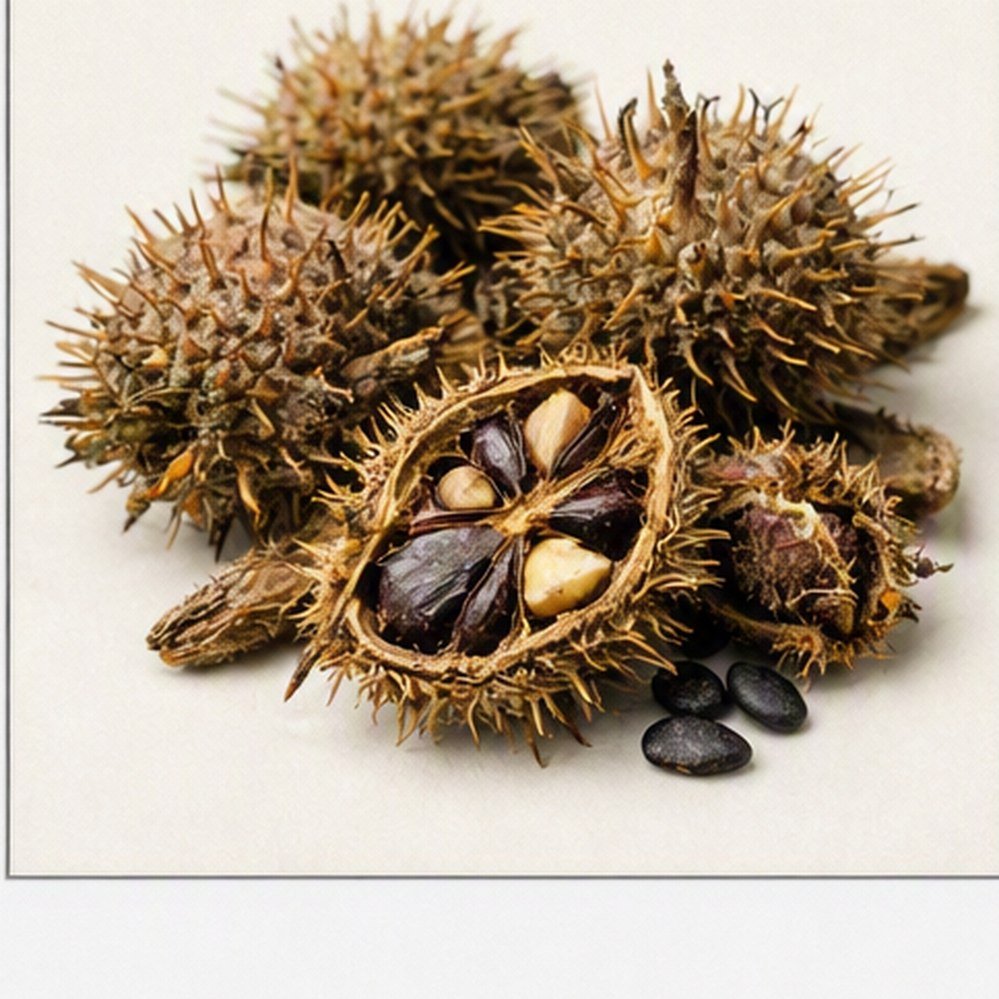
Burdock Fruit
Overview
Burdock's root is a familiar side dish in Korea (ueong-jorim), but the entry in the Donguibogam under this name (惡實, also called 牛蒡子) refers specifically to the fruit or seed, distinguished in the text from the root and stem, which are recorded separately. Its bur-like seed clings readily to passing animals, which the classics note as the origin of its alternate name "mouse-clinging seed."
In the Donguibogam
寶鑑
Traditional functions
- Disperses wind-heat
- Resolves toxin, benefits the throat
- Promotes eruption of rashes
- Moistens the lungs, disperses qi
Traditional applications
- Sore, swollen throat
- Wind-heat rash not fully erupted
- Wind-heat cough with thick phlegm
- Early-stage boils and sores
Traditional preparation
Decoction 4–12g of the seed, lightly stir-fried before use per traditional preparation.
Cautions
Frequently asked questions
Is this the same burdock root eaten as ueong-jorim?
It's the same plant, but a different part: the Donguibogam entry (惡實/牛蒡子) is specifically the seed, recorded separately from the root and stem used as food.
Why is burdock seed also called "mouse-clinging seed"?
The Donguibogam notes its bur-like outer shell has many spines that cling to passing animals and cannot easily be shaken off, which is the origin of the alternate name 鼠粘子 (rat-clinging seed).
Sources
- 동의보감 탕액편 (원문) — 한문 원문 발췌 — 한의학고전DB 탕액편 대조 검증 완료 (DATA-001)
- 한의학고전DB (mediclassics.kr) — 국역 참조 후 자체 재서술 (LEGAL-001)