
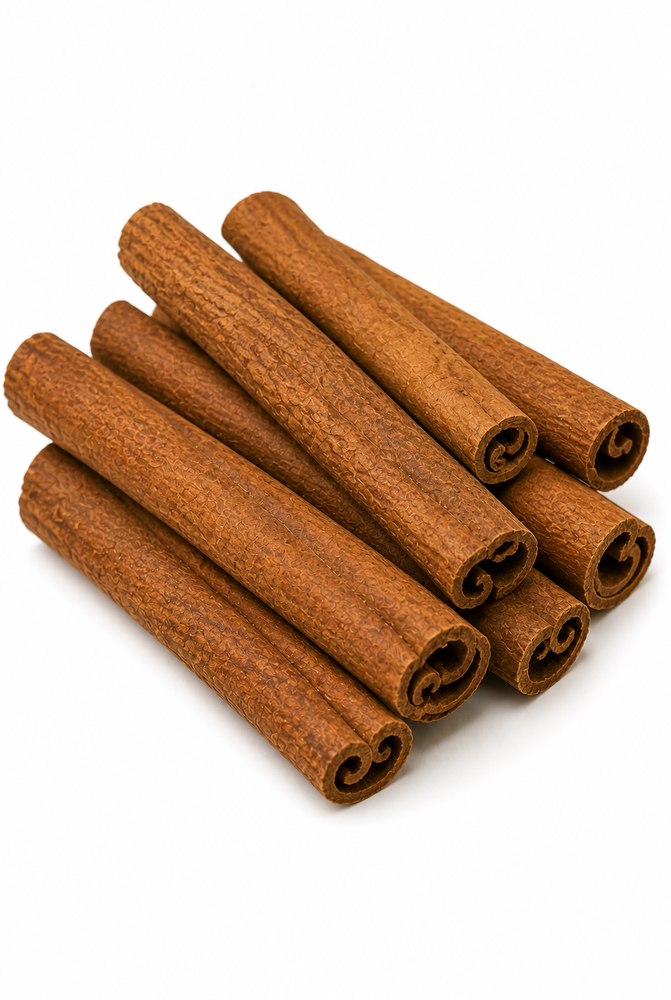
Cinnamon Bark
Overview
Cinnamon bark is the great warmer of the traditional pharmacy. Where ginger warms the surface and the stomach, cinnamon is used for deep interior cold — cold limbs, cold abdominal pain, and weak constitutional fire. Koreans also know it as the fragrant base of sujeonggwa, the traditional cinnamon punch.
In the Donguibogam
寶鑑
Traditional uses recorded in the Donguibogam
- Warms the interior, dispels deep cold
- Invigorates blood circulation
- Strengthens constitutional yang
- Relieves cold-type pain
Traditional applications recorded in the classical text
- Cold hands and feet
- Cold-pattern abdominal pain
- Menstrual pain aggravated by cold
- Weak digestion with cold sensation
Traditional preparation
Added near the end of boiling to preserve aromatics; also powdered in small amounts.
This describes traditional preparation recorded in the classics, not a recommendation for use today. DonguiHub does not provide dosage guidance — consult a qualified professional before using any herb.
Cautions
Frequently asked questions
What is the difference between gyepi and yukgye?
Both come from cinnamon trees. In traditional terminology, thicker bark from the trunk (yukgye) was considered stronger for warming the interior, while thinner bark and twigs served slightly different roles. Modern commerce often blurs these distinctions.
Is culinary cinnamon the same as medicinal cinnamon bark?
Largely yes for cassia cinnamon, though medicinal grading favors thick, oily bark. Ceylon cinnamon (Cinnamomum verum) is a different species with a milder profile and much less coumarin.
Sources
- 『동의보감』 탕액편, 허준, 1613 (원문) — 한문 원문
- 한의학고전DB (mediclassics.kr) — 원문 및 국역 자료 참조