
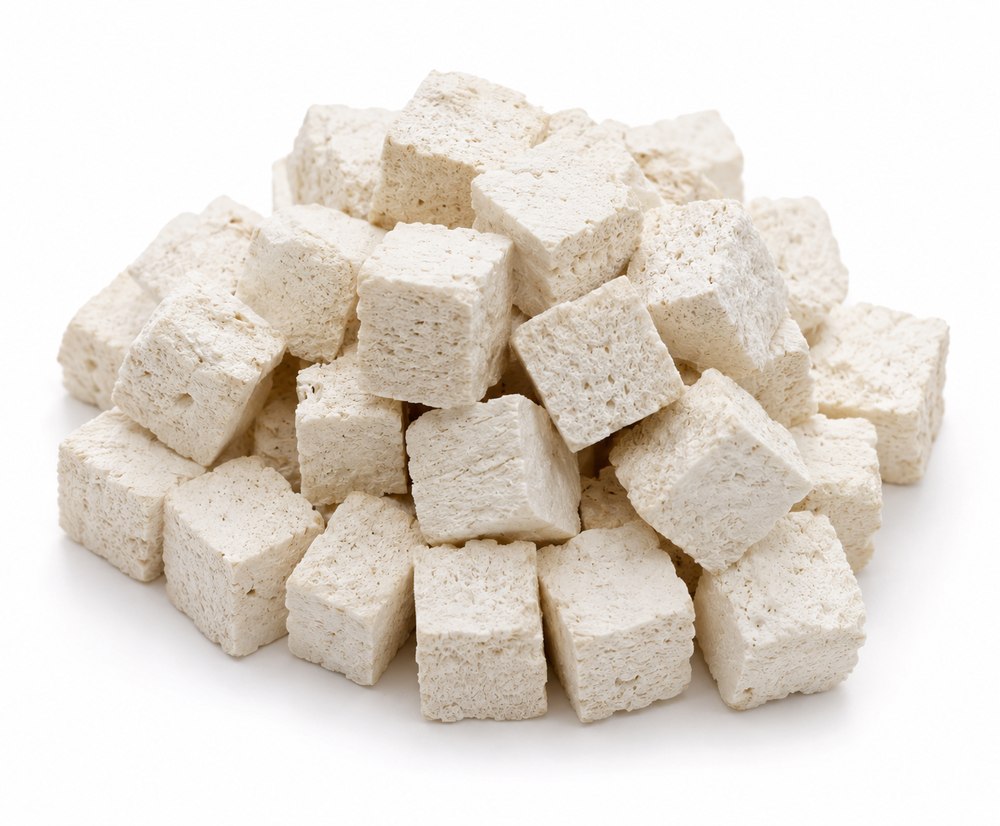
Poria
Overview
Poria is unusual among traditional herbs in that it is not a plant at all, but the dried sclerotium of a fungus that grows on the roots of pine trees. The Donguibogam describes it as a calm, centering substance — good for the appetite, the stomach, and above all for settling an unquiet mind.
In the Donguibogam
寶鑑
Traditional uses recorded in the Donguibogam
- Calms the heart and spirit
- Promotes urination, drains dampness
- Opens the appetite, stops nausea
- Resolves phlegm congestion
Traditional applications recorded in the classical text
- Poor sleep and restlessness
- Edema and water retention
- Poor appetite with nausea
- Thirst with fluid imbalance
Traditional preparation
A core ingredient of Sagunja-tang and Sacheon-tang, often paired with atractylodes.
This describes traditional preparation recorded in the classics, not a recommendation for use today. DonguiHub does not provide dosage guidance — consult a qualified professional before using any herb.
Cautions
Frequently asked questions
Is poria really a mushroom, not a herb?
Yes. Poria (Bokryeong) is the dried sclerotium of Poria cocos, a fungus that grows underground on the roots of pine trees — unusual among traditional 'herbs,' which are mostly plant roots, fruits, or bark.
What is the difference between poria (茯苓) and poria-spirit (茯神)?
Classical sources describe Bokshin (茯神) as the portion of the sclerotium that has grown around and embraced a pine root, considered especially effective for calming the spirit, while ordinary Bokryeong is used more broadly.
Sources
- 『동의보감』 탕액편, 허준, 1613 (원문) — 한문 원문
- 한의학고전DB (mediclassics.kr) — 원문 및 국역 자료 참조