
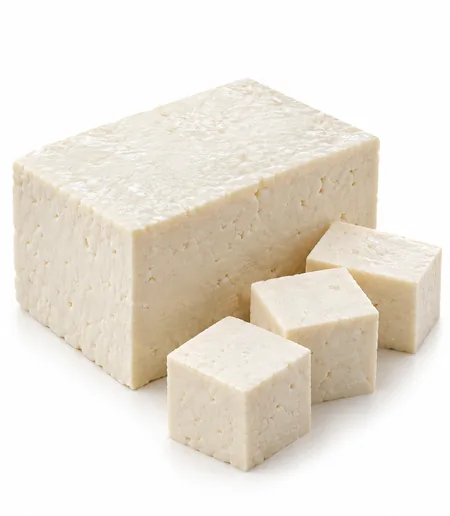
Tofu
Tofu (두부, 豆腐) is recorded in the Donguibogam as a qi-tonifying processed food. Its nature is neutral (some sources: cold) and its taste sweet, associated with the Spleen, Stomach meridians. Traditional uses recorded in the text include benefits qi, harmonizes the spleen and stomach. Caution: The Donguibogam records tofu as having toxicity in the classical sense: its cold, qi-stagnating nature can trigger kidney-qi disorders, wind-type headache, and sores/scabies if overeaten.
Overview
Tofu is one of the most common foods on the Korean table today, but the Donguibogam classes it as having toxicity — not in the modern sense, but as a classical caution about its cooling, qi-stagnating nature when eaten to excess. The text's warning about overeating tofu with alcohol is a striking, very specific piece of dietary advice from four centuries ago.
In the Donguibogam
寶鑑
Traditional uses recorded in the Donguibogam
- Benefits qi
- Harmonizes the spleen and stomach
Traditional applications recorded in the classical text
- General digestive harmonization
- Everyday plant-protein nourishment
Traditional preparation
Eaten cooked in soups, stews, and side dishes as a daily food; the classics recommend moderation, especially alongside alcohol.
This describes traditional preparation recorded in the classics, not a recommendation for use today. DonguiHub does not provide dosage guidance — consult a qualified professional before using any herb.
Cautions
Frequently asked questions
Is tofu actually dangerous, since the Donguibogam calls it toxic?
No — this reflects a classical dietary caution about its cold, qi-stagnating nature when overeaten, not a modern toxicity finding. Tofu is a normal, safe food in moderation today.
What specific warning does the Donguibogam give about tofu?
It warns that overeating tofu together with alcohol can cause dangerous bloating, made worse by drinking — and notes that drinking cold water was the traditional remedy.
Sources
- 『동의보감』 탕액편, 허준, 1613 (원문) — 한문 원문
- 한의학고전DB (mediclassics.kr) — 원문 및 국역 자료 참조