
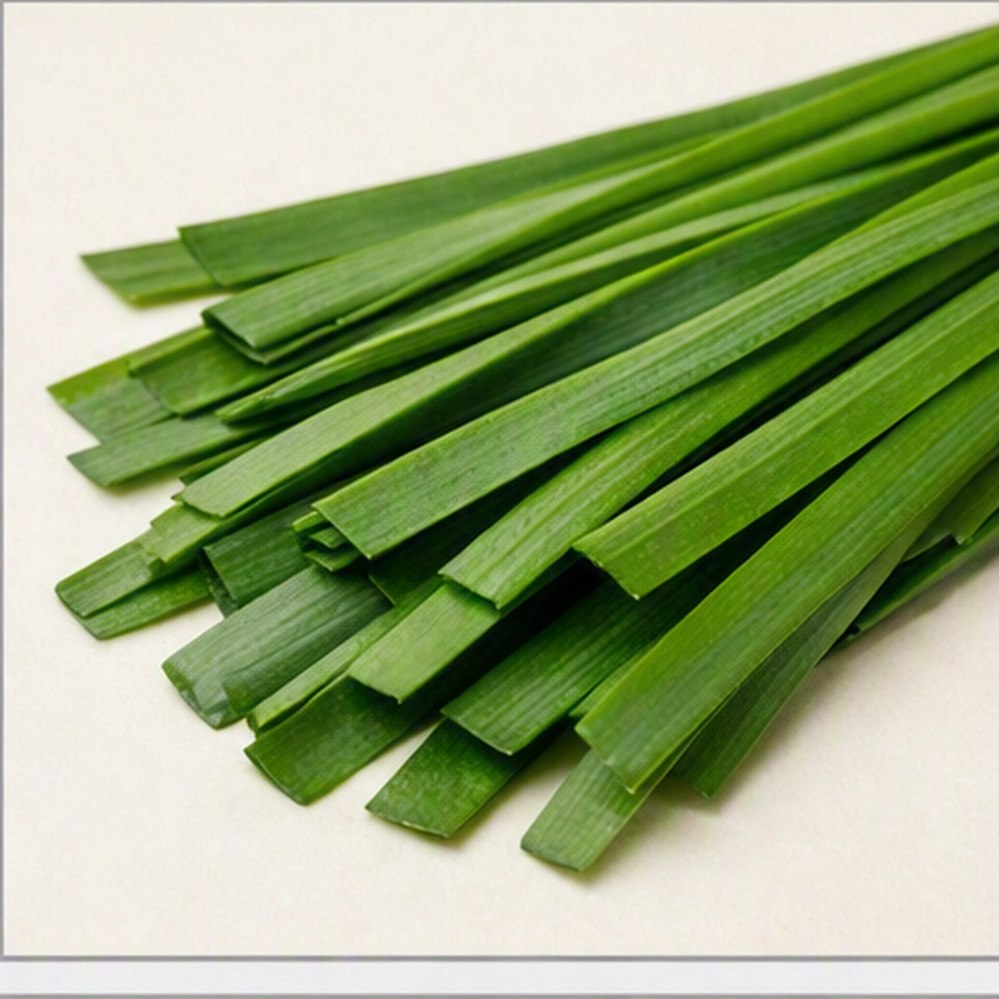
Chinese Chive
Overview
Chive is prized in the Donguibogam as the warmest, most nourishing everyday vegetable — cut it and it grows right back, harvested three or four times a year without harming the root, which the text credits as proof of its enduring, warming vitality.
In the Donguibogam
寶鑑
Traditional uses recorded in the Donguibogam
- Warms the interior
- Tonifies deficiency
- Warms the lower back and knees
- Relieves chest painful obstruction
Traditional applications recorded in the classical text
- General weakness and deficiency
- Cold, weak lower back and knees
- Chest oppression
- Weak digestion
Traditional preparation
Eaten regularly as a vegetable, or juiced/pickled; the seed (韭子) is used separately for stronger tonifying effect.
This describes traditional preparation recorded in the classics, not a recommendation for use today. DonguiHub does not provide dosage guidance — consult a qualified professional before using any herb.
Cautions
Frequently asked questions
Why does the Donguibogam call chive the warmest vegetable?
It notes chive can be cut and harvested three or four times a year without damaging the root, always growing back — cited as proof of an enduring, warming vitality unusual among vegetables.
What is chive's main traditional use?
Warming the interior and tonifying deficiency — the Donguibogam highlights warming the lower back and knees and relieving chest oppression, alongside its everyday food role.
Sources
- 『동의보감』 탕액편, 허준, 1613 (원문) — 한문 원문
- 한의학고전DB (mediclassics.kr) — 원문 및 국역 자료 참조