
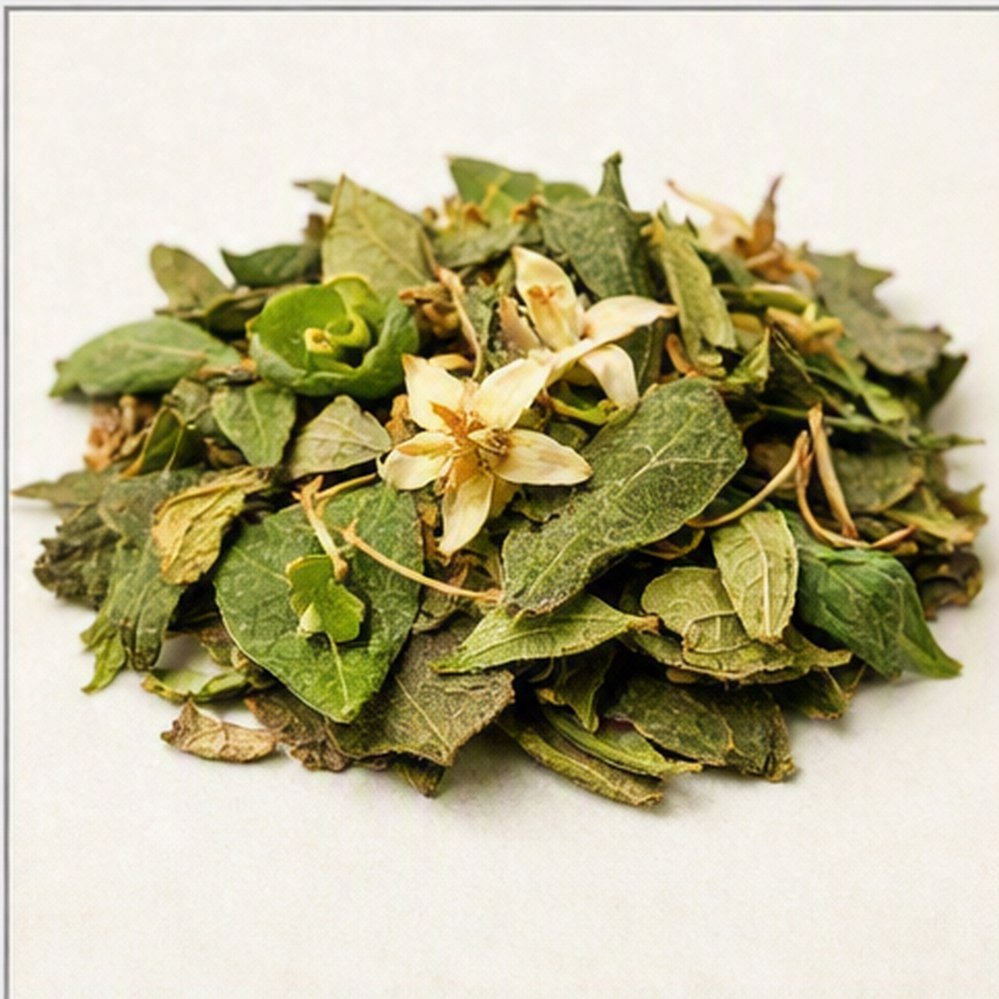
Epimedium
Overview
Epimedium's Korean folk name, "three branches, nine leaves grass" (samji-guyeopcho), describes its distinctive leaf pattern and is still the name most Koreans recognize. The Donguibogam preserves its more colorful classical name and origin story too: shepherds supposedly noticed a goat mating unusually often after grazing on this plant.
In the Donguibogam
寶鑑
Traditional functions
- Tonifies kidney yang
- Strengthens sinews and bones
- Dispels wind-cold-damp
- Supports fertility
Traditional applications
- Low libido or impotence
- Weak, aching lower back and knees
- Forgetfulness with aging
- Cold-type joint or limb pain
Traditional preparation
Decoction 6–12g, traditionally wine-washed and lightly roasted.
Cautions
Frequently asked questions
Why is epimedium called "three branches, nine leaves grass" in Korean?
The Donguibogam itself notes this common folk name (三枝九葉草), describing the plant's distinctive pattern of leaves arranged in threes and nines — still the name most Koreans use today.
What is the origin of its Chinese name, 淫羊藿?
The Donguibogam records the classical story: shepherds noticed a goat mating unusually often after grazing on this plant, which gave rise to the name (literally "licentious goat's leaf").
Sources
- 동의보감 탕액편 (원문) — 한문 원문 발췌 — 한의학고전DB 탕액편 대조 검증 완료 (DATA-001)
- 한의학고전DB (mediclassics.kr) — 국역 참조 후 자체 재서술 (LEGAL-001)