
Which Mushrooms Appear in the Donguibogam?
Songi, shiitake, wood ear, stone ear, sanghwang and puffball. A guide to the mushrooms recorded in the Donguibogam's herbology volume, quoted from the original, along with the long warning the text gives about poisonous mushrooms.
Songi is one of the best-known mushrooms in Korea. So which mushrooms appear in the Donguibogam? In the herbology volume some mushrooms have entries of their own, some are recorded beneath the wood ear entry, and some look like mushrooms but are classed under another heading. Below is only what the text says. Effects are presented as traditional records, not as claims about what they do today.
Names for mushrooms: gyun, yu and sim
地生名菌, 木生名檽音軟, 又名蕈音甚.
Those that grow from the ground are called gyun (菌); those that grow on wood are called yu (檽, read "yeon"), also called sim (蕈).
Tangaek-pyeon · vegetables · wood ear entry (Ilyong)
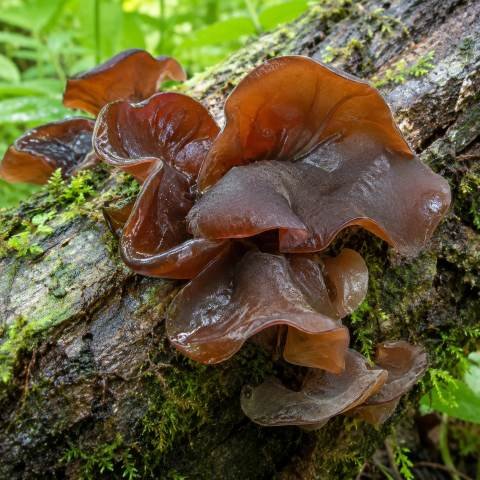
This distinction appears in the wood ear entry, which also lists several kinds of mushroom.
有天花蕈ㆍ蘑菰蕈ㆍ香蕈ㆍ肉蕈, 皆因濕氣熏蒸而成. 生山中僻處, 多毒, 殺人.
There are the heavenly-flower, mogu, fragrant and meaty mushrooms, all formed by steaming damp qi. Those growing in remote places in the mountains are often poisonous and kill people.
Tangaek-pyeon · vegetables · wood ear entry (Ilyong)
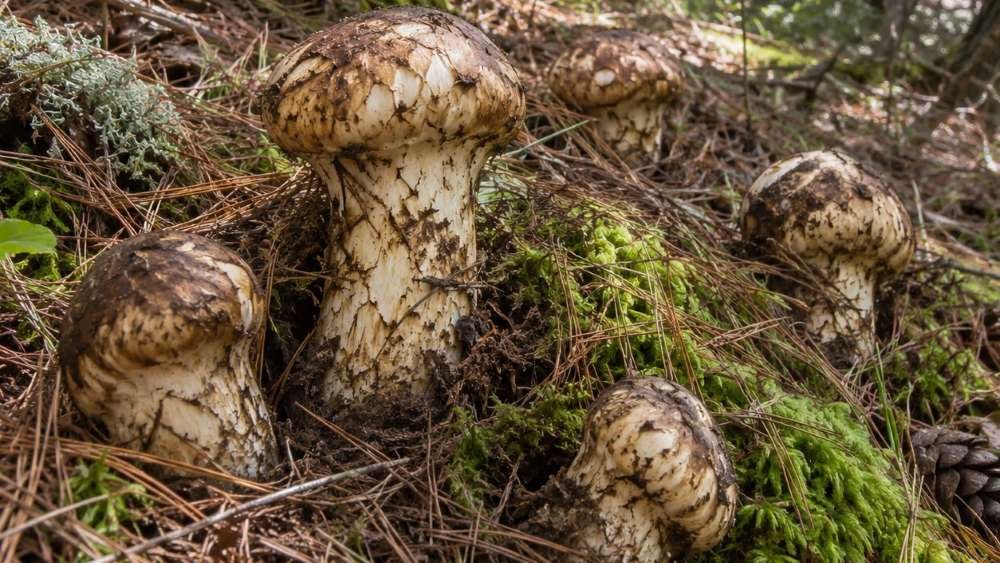
Songi (松耳): first among the wood mushrooms
性平, 味甘, 無毒. 味甚香美, 有松氣. 生山中古松樹下, 假松氣而生, 木茸中第一也.
Its nature is neutral, its taste sweet, and it is non-toxic. Its flavor is very fragrant and fine, and it has a scent of pine. It grows in the mountains beneath old pine trees, borrowing the pine's qi, and is the first among the wood mushrooms (木茸).
Tangaek-pyeon · vegetables · songi entry (Sokbang)
The Pine Mushroom (Songi) entry sits in the vegetable volume and is short. It records nature, taste, scent and habitat and ranks it first among the wood mushrooms (木茸), but it records no effect and no use. Its source is given as the Sokbang; the text alone does not settle which work that refers to.
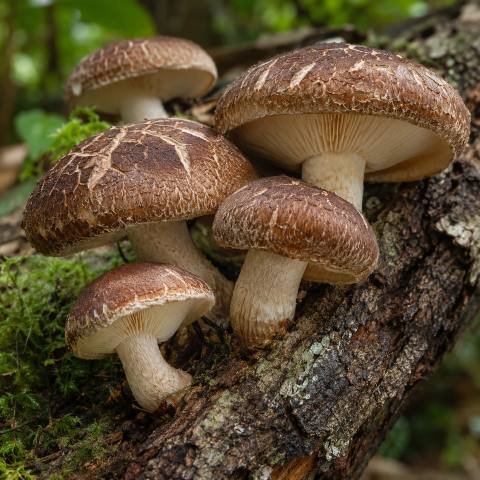
Shiitake (蘑菰)
性平, 味甘, 無毒. 悅神開胃, 止吐止瀉, 甚香美.
Its nature is neutral, its taste sweet, and it is non-toxic. It is said to cheer the spirit and open the appetite, and to stop vomiting and diarrhea. It is very fragrant and fine.
Tangaek-pyeon · vegetables · sub-entry mogu (shiitake) (Ipmun)
Shiitake is not a separate entry but a record beneath the Wood Ear Mushroom entry. The original glosses it with the Korean word for shiitake and praises its fragrance.
 Wood ear (木耳)
 Shiitake (蘑菰)
 Stone ear (石耳)
 and yeongji (靈芝)
生於名山石崖上, 名曰靈芝.
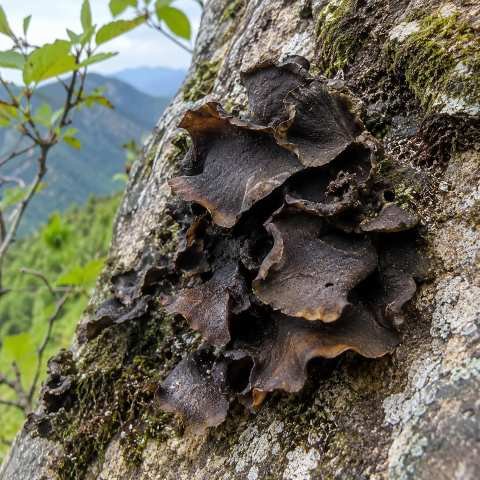
It grows on the rock cliffs of famous mountains and is called yeongji (靈芝).
Tangaek-pyeon · vegetables · sub-entry stone ear (Ilyong)
The text says stone ear grows on rock cliffs and is called "yeongji". Whether today's stone ear (a lichen that grows on rock) and today's reishi are the same thing cannot be settled from the text alone, so only the original's wording is given here.
Mulberry ear (桑耳) and sanghwang (桑黃)
性平一云溫, 味甘, 微毒.
Its nature is neutral (some say warm), its taste sweet, and it is slightly toxic.
Tangaek-pyeon · vegetables · sub-entry mulberry ear (Bencao)
一名桑黃.
Also called sanghwang (桑黃, "mulberry yellow").
Tangaek-pyeon · vegetables · mulberry ear (Bencao)
Mulberry ear, which grows on mulberry trees, is recorded as slightly toxic, with sanghwang given as another name.
Puffball: mabal (馬勃)
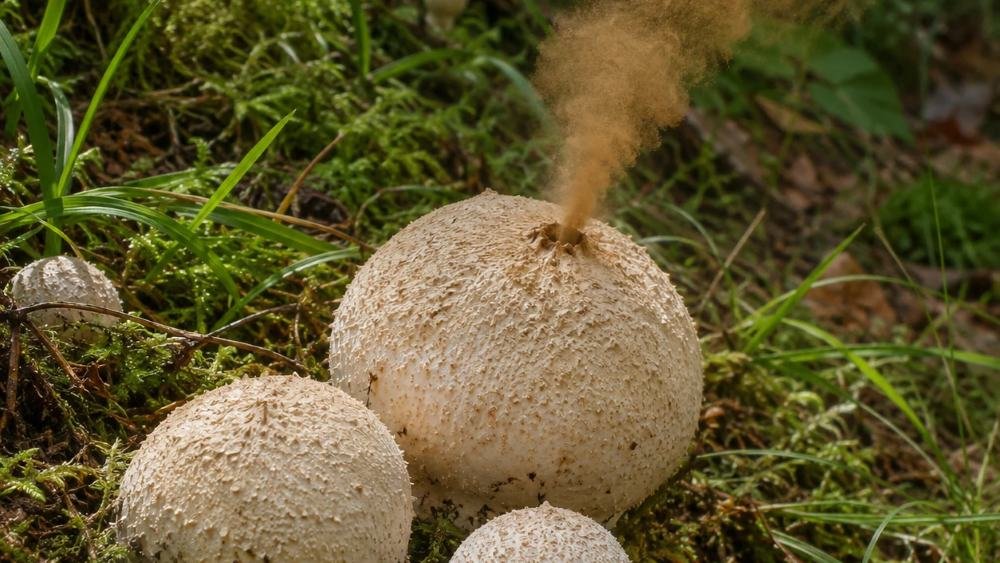
生濕地及腐木上, 虛軟如紫絮, 大如斗, 小如升, 彈之紫塵出.
It grows on damp ground and on rotting wood, hollow and soft like purple floss. The large ones are as big as a dou measure and the small ones a sheng; when flicked, purple dust comes out.
Tangaek-pyeon · herbs · mabal (Bencao)
Mabal has an entry of its own in the herb volume, under the Korean name "bulbeoseot". It describes the look of a mushroom that releases dust when flicked.
Medicines named "ryeong" (苓): poria, jeoryeong, noehwan
松脂入地千歲爲茯苓
Pine resin that has entered the ground for a thousand years becomes poria.
Tangaek-pyeon · trees · poria (Bencao)
一名朱苓, 是楓樹苓.
Also called juryeong (朱苓); it is the "ryeong" of the maple-type (楓) tree.
Tangaek-pyeon · trees · jeoryeong (Bencao)
竹之苓也
It is the "ryeong" of bamboo.
Tangaek-pyeon · trees · noehwan
Poria, jeoryeong and noehwan are sometimes classified as fungi (sclerotia) today, but the text lists them not as mushrooms but among the tree medicines. This article therefore only introduces them by name; see the Poria entry for more.
What the text spends the most words on: poisonous mushrooms
What the text stresses again and again about mushrooms is not effect but safety.
生野田中, 多有毒, 不可輕食.
Those growing in wild fields are often toxic and must not be eaten lightly.
Tangaek-pyeon · vegetables · sub-entry field mushroom (Bencao)
春初無毒, 夏秋有毒, 爲蛇蟲過也.
In early spring they are not toxic; in summer and autumn they are toxic, because snakes and insects have passed over them.
Tangaek-pyeon · vegetables · wood ear entry (Ipmun)
今世所通用者, 此物多有毒, 宜切以薑及投飯粒試之. 如黑則有毒, 否則無害.
The ones in common use today are often toxic, so it is advisable to slice them with ginger or drop in grains of rice to test them. If they turn black they are toxic; otherwise they are harmless.
Tangaek-pyeon · vegetables · wood ear entry (Ilyong)
The ginger and rice-grain test is an old folk method, not a safe way to tell wild mushrooms apart today. Never eat wild mushrooms that an expert has not identified, and seek emergency care immediately if you feel unwell after eating one.
This article is educational information introducing classical records. It does not claim any health benefit of a particular mushroom and does not recommend gathering or eating them.